What is horror, and why do we like it? This is the central question of a newer Communication Arts course, “Horror Films,” led by Ph.D. candidate Sarah Mae Fleming. Whether it’s a classic jump scare, gooey monsters, or the exhilarating satisfaction of “surviving,” people have loved horror films for decades. After record-breaking grosses at the box-office in 2025, it’s clear the demand for horror films is alive and thriving, making this the perfect time to introduce a course completely focused on the genre.
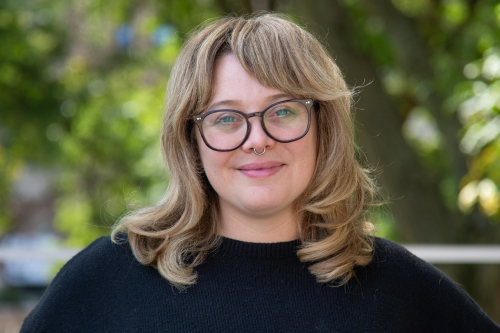
Fleming focuses her research on movies that are hard to watch, which spans from puzzle movies like Inception, or slow cinema where scenes go on for long periods of time, and nothing much happens. Horror also naturally fits within her research, and after learning about years of student demand for a horror film course in the department, Fleming created one and first taught it in the summer of 2024. After a successful trial-run taught asynchronously online, the course was ready for an in-person rendition this past Fall 2025 semester.
Students in the course watched and discussed a wide range of horror films from various eras and subgenres. Starting with films from the 1960s and 70s like Rosemary’s Baby, Carrie, The Exorcist, and The Shining, students began to understand how early classics have served as catalysts for horror tropes and sparked future eras of scary movies.
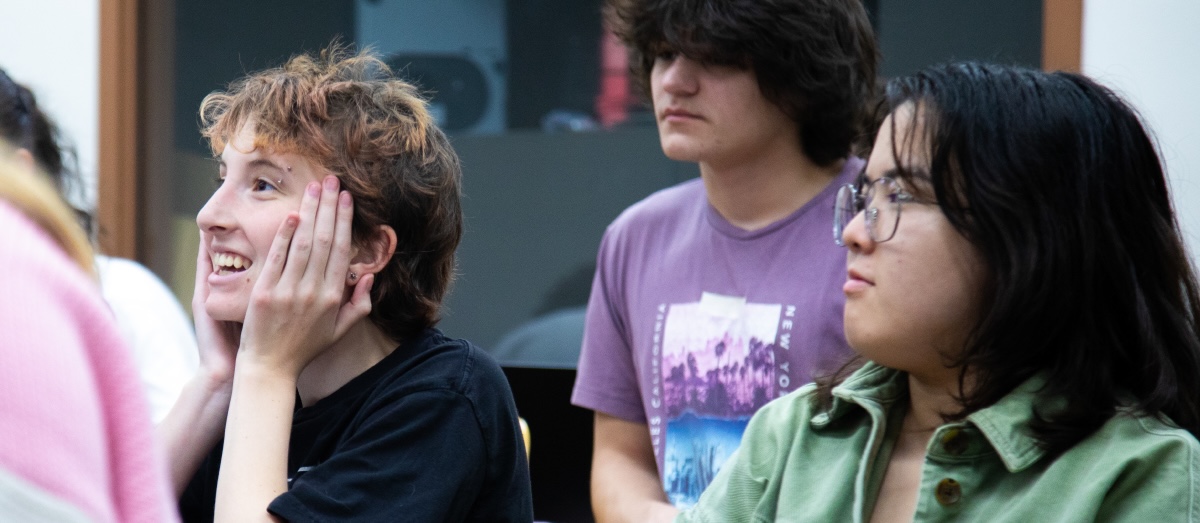
Each week, students watched a movie together, then engaged in lively discussion to answer questions about industry and identity. As the course unfolded, Fleming was intrigued by students’ experiences watching horror films from different eras. When students watched the 2002 film, The Ring, which terrified Fleming as a kid, they weren’t scared at all.
“They’re watching the film 20 years after it came out, so some of them found the use of VHS tape to be more campy than scary,” Fleming said. “Students also had lots of empathy for the movie’s monster, which prevented them from feeling truly scared of her.”
Hearing students’ thoughts in weekly discussions allowed Fleming to keep the course flexible and introduce new readings and questions to help students expand on their interests and build more in-depth answers to the course’s central question: what is horror and why do we like it?
“My answer to that question–as human beings, we like to solve mysteries and experience catharsis,” Fleming said. “But for students, they are interested in how horror films can reflect larger cultural anxieties, so I think there are several ways to answer that question.”