Social Media as Literature
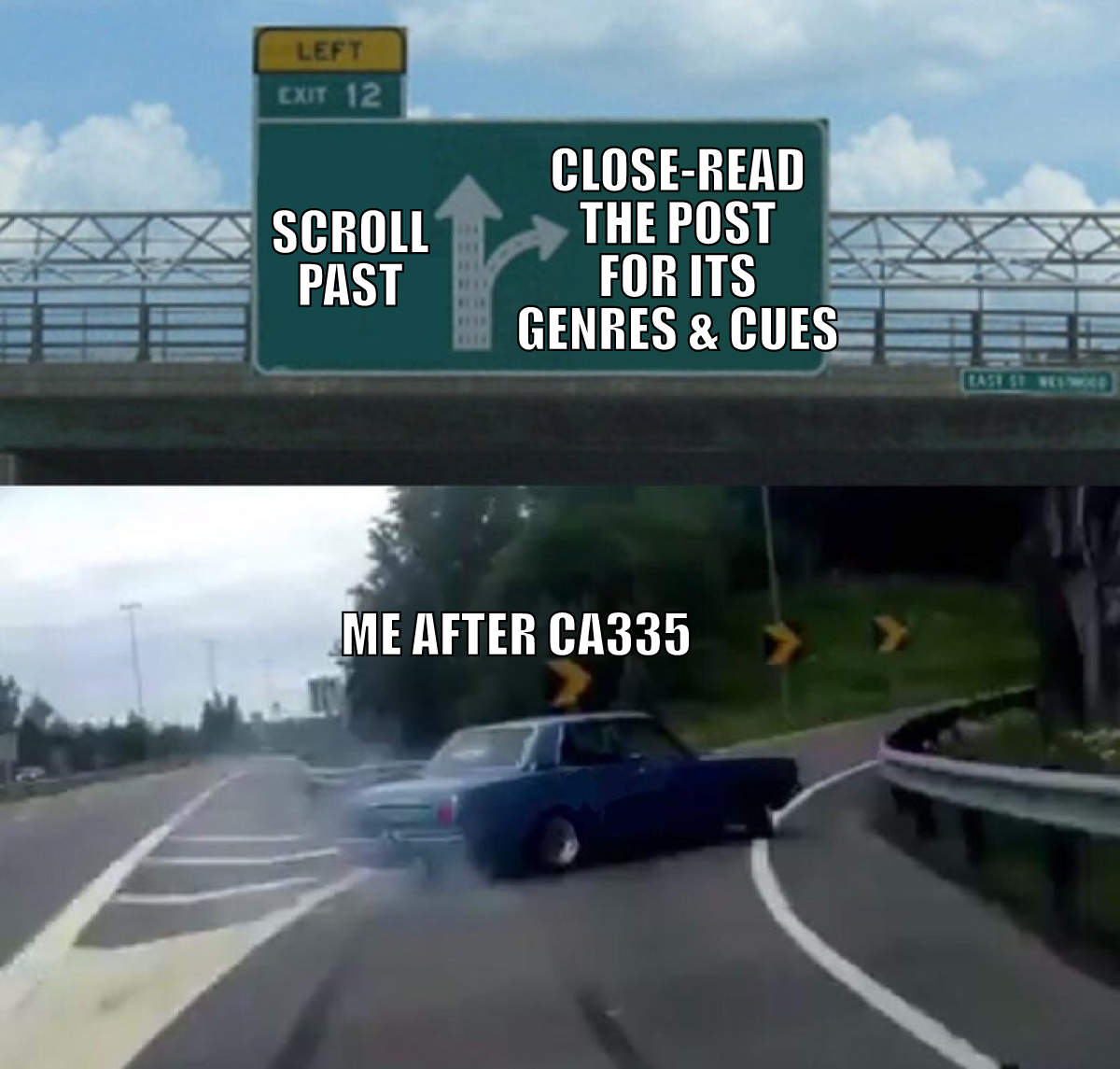
TO MEME OR NOT TO MEME, THAT IS THE QUESTION
For a long time, people assumed that reading great literature, like the works of Shakespeare, made people better, strengthened their character, and gave them culture. These days, however, few people find themselves engrossed in the monologues of Hamlet and are instead entrenched in a sub-thread on Reddit or the comments section of a viral TikTok video. Can social media make us better people in the same way it was once thought that reading Shakespeare could? Students in a new Communication Arts and Digital Studies course are working to find out.
The new course, “Social Media as Literature,” has students apply theories from literature, folklore, rhetoric, and cultural studies to social media. Rob Howard, Professor in Communication Arts and the director and founder of the Digital Studies Certificate, created the course to allow students to develop more nuanced understandings of how everyday media impact their lives.
“I believe social media makes us think just like great film does, just like great literature does,” Howard said. “The goal of the course is to get students to think about how we can make sure we’re getting the most out of the artistic media that we’re consuming every day.”
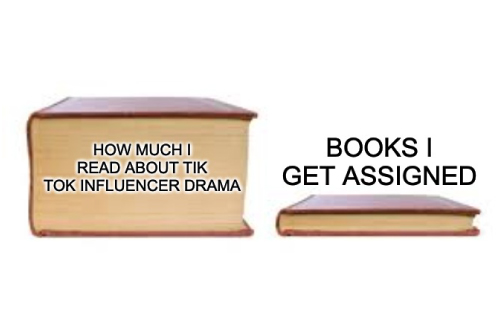
Students began the semester by logging what they saw on social platforms like Reddit, Instagram, or X. Then, they generated memes and videos to build a deeper understanding of the posts they were seeing. Finally, they categorized different types of posts within specific genres.
Professor Howard knew the concept of social media as literature would spark some skepticism. He argues, though, that while literary form may be shifting, the principles remain.

“Reading a Shakespeare play requires an understanding of form, genre, and language to comprehend the story’s message,” he said. “Learning these principles is not fundamentally different than learning the principles of a ‘get ready with me’ video on TikTok.”
As students finish out the first run of this course this December, Professor Howard hopes they leave with new ideas about reading literature. “If we develop our observation skills and apply those to social media, maybe we will reveal things we didn’t see before,” he said. “When we see new possibilities, we have more options, and we can make choices that help us live our lives in the ways we want to. By seeing social media as ‘literature,’ maybe we will be able to choose to live better.”